Aging in Place Home Modifications: Room by Room
The aging-in-place home modifications that matter most are grab bars and non-slip surfaces in the bathroom, better lighting in hallways, and a clear, step-free path through the home- changes that address where falls actually happen. About 1 in 4 adults over 65 falls each year, and most of those falls happen at home.
At HomeTeam Inspection Service, our aging-in-place inspections help homeowners find and prioritize these risks room by room before they become an emergency. Here’s where to start.
What Does “Aging in Place” Mean?
Aging in place means staying in your own home safely and independently as you get older, rather than moving to an assisted living facility or a relative’s house.
For most homeowners, that home was built for a younger, more mobile version of themselves. Balance, grip strength, and tolerance for stairs or dim lighting all change with age, and a layout that felt effortless at age 40 can quietly become a hazard at age 75.
The gap is smaller than it looks. Most adults over 50 say they want to stay in their current home as they age, according to AARP research. Few homes are built with that in mind, but few need a full renovation to get there either. What they need is a clear, prioritized starting point, which is exactly what an aging-in-place inspection provides.
A Standard Inspection vs. an Aging-in-Place Inspection
A standard home inspection and an aging-in-place inspection can walk through the same house and flag entirely different things, because they’re built to answer different questions.
| Standard Home Inspection | Aging-in-Place Inspection | |
|---|---|---|
| Core question | Is anything broken or unsafe? | Can someone move through this home safely, today and years from now? |
| Doorways & hallways | Checked for structural soundness | Measured against walker and wheelchair clearance |
| Thresholds | Noted if damaged | Flagged for height, even if intact, since a half-inch lip is a fall risk |
| Grab bars | Not typically assessed | Checked for stud-anchored installation, not just adhesive mounting |
| Lighting | Checked for function | Evaluated for level and switch placement along night-time paths |
| Stairs | Checked for code compliance | Checked for rise/run comfort and handrail grip on both sides |
The output looks different too. A standard inspection produces a defect report. An aging-in-place inspection produces a prioritized modification plan: what matters most right now, what can wait, and what’s worth budgeting for before it becomes urgent.
Bathroom Modifications
The bathroom is the single most dangerous room in the house for falls, and it’s also where the highest-impact, lowest-cost modifications live. This room will be the highest priority.
- Grab bars near the toilet and inside the shower or tub, installed into wall studs, not just adhesive-mounted, since a bar that pulls loose is worse than no bar at all
- A curbless or low-threshold shower with a built-in seat, which removes the step-over that causes many bathroom falls
- Non-slip mats or textured flooring in the tub, shower, and on the bathroom floor
- A raised or height-adjustable toilet seat for easier, safer transfers
- A handheld showerhead on a slide bar, so seated bathing doesn’t require reaching or standing
If a full bathroom remodel isn’t in the budget yet, grab bars and non-slip surfaces alone deliver most of the safety benefit for a fraction of the cost.

Stairs, Hallways, and Entryways
Falls on stairs and in poorly lit hallways are the second most common source of injury after the bathroom.
- Handrails on both sides of every staircase, not just one
- Non-slip treads or runners on stairs, with contrasting color at the edge of each step to improve visibility
- A stairlift if climbing stairs is becoming difficult, or planning to relocate the primary bedroom to the main floor
- Wider doorways (36 inches) throughout main living areas to accommodate a walker or wheelchair down the road
- Step-free entry at the front or most-used door, along with a secure, well-lit walkway leading up to it
- Motion-sensor or always-on lighting in hallways, stairwells, and entryways
A first-floor bedroom and bathroom combination is one of the biggest long-term investments a homeowner can make. It’s not required for everyone, but if stairs are ever likely to become an issue, it’s worth planning for before it’s urgent.
Kitchen and Living Space Adjustments
Kitchens and living areas don’t carry the same fall risk as bathrooms and stairs, but a few targeted changes go a long way toward keeping day-to-day life manageable.
- Pull-out shelves and lowered cabinets so frequently used items don’t require reaching or climbing
- Lever-style door handles and faucet controls, easier to operate than knobs for anyone with reduced grip strength
- Clear, uncluttered walking paths, with furniture rearranged to remove tripping hazards and secure any loose rugs
- Smart home features, like voice-activated lighting or fall-detection devices, as an added layer of monitoring and convenience
Small, room-by-room upgrades like these add up. Tackling the highest-risk areas, bathroom and stairs, first is the most effective way to spend a limited renovation budget.
When to Call a Professional
A DIY walk-through can catch some obvious hazards, but a trained eye finds the risks that homeowners and family members typically miss: uneven flooring transitions, insufficient stair lighting, or a doorway that’s an inch too narrow for a future wheelchair.
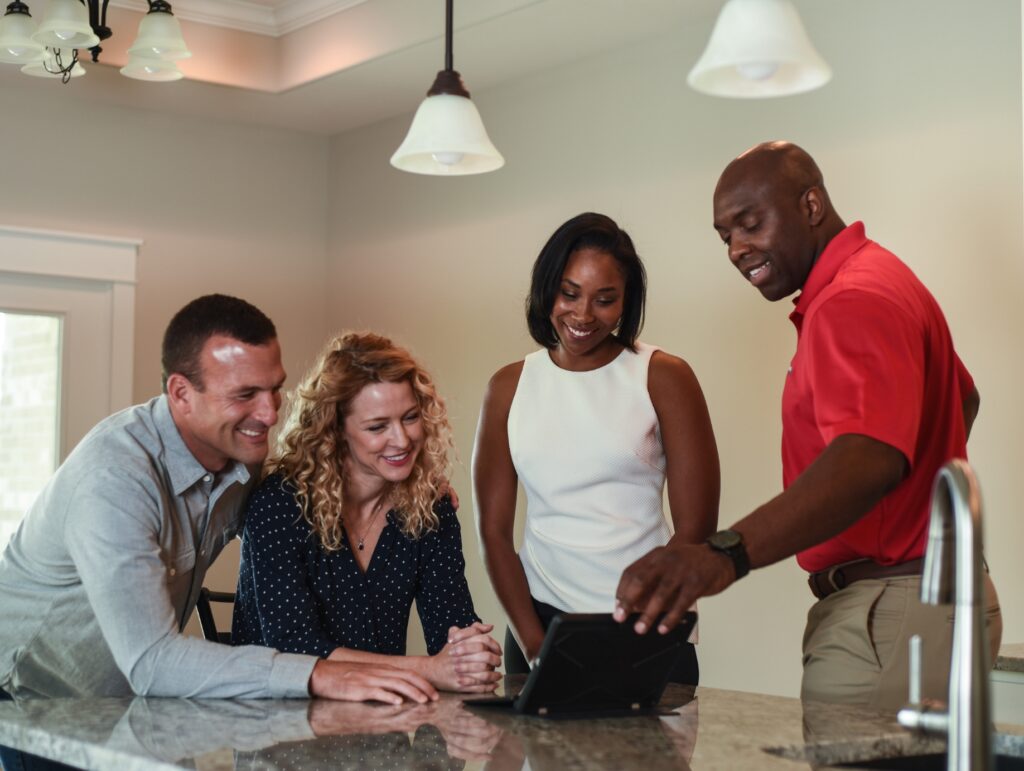
A HomeTeam aging-in-place inspection evaluates the entire home, top to bottom, for accessibility, maneuverability, and safety, then delivers specific, prioritized recommendations for modifications, whether you handle them yourself or bring in a contractor. It’s the same thorough approach behind every HomeTeam home inspection, adapted specifically for aging-in-place needs.
According to the National Institute on Aging, most home falls happen in the bathroom, on stairs, and in poorly lit hallways, exactly the areas a professional aging-in-place inspection is built to catch.

Related Questions to Explore
- What are the most important aging in place home modifications? Grab bars and non-slip surfaces in the bathroom, handrails and better lighting on stairs, and a step-free main entry deliver the biggest safety return for the lowest cost.
- How much do aging in place home modifications cost? Costs vary widely: basic grab bars run $15 to $80 each (more for professional installation), while a full curbless shower remodel or stairlift can run into the thousands. Prioritizing bathroom and stair safety first stretches a limited budget furthest.
- Is a first-floor bedroom necessary for aging in place? Not for everyone, but if stairs are likely to become difficult, a first-floor bedroom and bathroom combination is one of the most effective long-term modifications a homeowner can make.
- What is a Certified Aging-in-Place Specialist (CAPS)? CAPS is a certification (through the National Association of Home Builders) for contractors trained specifically in aging-in-place remodeling techniques and building codes.
- Do aging in place modifications help with home insurance or resale value? They don’t typically lower insurance premiums directly, but documented safety modifications can support insurance conversations, and accessible features are increasingly valued by future buyers.
Conclusion
Aging in place doesn’t require remodeling the whole house at once. Start with the bathroom, add handrails and lighting to stairs and hallways, then work through the rest of the home as budget allows.
Not sure where your home’s biggest risks are? Schedule a HomeTeam aging-in-place inspection to get a clear, prioritized plan for your space.