
Introduction
You’ve found the home. The offer is accepted. But before closing day arrives, there’s one step too many buyers overlook: inspecting for termites.
Termites are often called “silent destroyers” for a reason. By the time you notice soft wood, sticking door frames, or bubbling paint, the damage may have been building for years without a single visible sign. A WDO, or wood-destroying organism, inspection is fast, affordable, and gives you critical information at the moment you still have options. Here’s what a comprehensive termite inspection covers, why timing is everything, and what to do if something is found.
What Is a Termite Inspection?
A termite inspection, also called a WDI (wood-destroying insect) or WDO inspection, is a focused evaluation of a property for signs of termite activity, existing wood damage, or conditions that make infestation more likely.
Unlike a general home inspection that covers the roof, HVAC, plumbing, and electrical systems, a WDO inspection is performed by a licensed termite inspector focused entirely on wood-destroying organisms and the conditions that support them. Depending on your state, you might hear it called a pest inspection, termite letter, or clearance report. The name varies, but the goal doesn’t: identify what’s there, what’s been damaged, and what could become a costly issue.
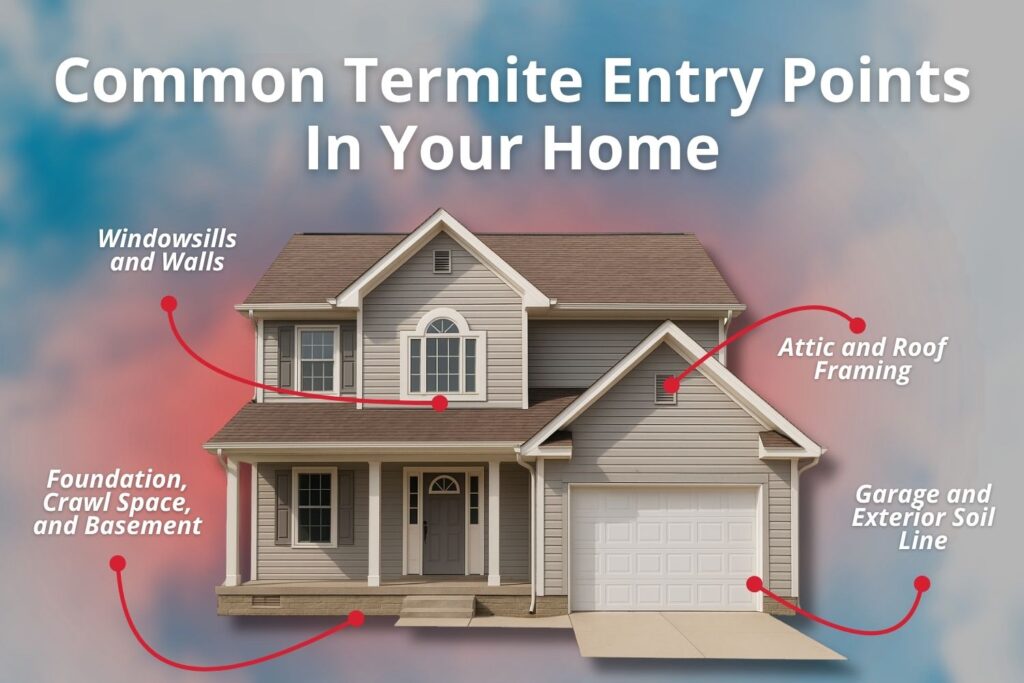
A termite inspector will examine both the interior and exterior of the home, typically starting at ground level and working upward. Areas covered include:
- Home’s foundation and crawl spaces
- Basement, walls, and floors
- Attic and roof framing
- Wooden structures, fence posts, and wood mulch near the perimeter
- Windows, door frames, and areas with visible moisture or poor ventilation
The inspection is non-destructive. Inspectors use a bright flashlight, screwdriver or probing tool, and sometimes a moisture meter rather than opening walls. Most comprehensive termite inspections take one to two hours for an average-sized home.
Why Timing Matters: Before Closing vs. After
Getting a termite inspection before closing puts you in control. When termite activity or an active infestation is found while you’re still under contract, you have real options:
- Negotiate with the seller to cover termite treatment costs
- Request a price reduction to offset repairs
- Ask for remediation as a condition of the sale
- Walk away entirely if the significant damage changes the home’s value
Once you’ve signed the closing documents, those options disappear. Any termite damage found after closing becomes your financial responsibility alone. Structural repairs can range from a few hundred dollars to tens of thousands when load-bearing components like floor joists or support beams are involved.
There’s also a loan consideration. VA loans require a WDO inspection in most states. FHA loans may require one if the appraiser flags conducive conditions. Getting the inspection done early keeps your timeline on track rather than scrambling for clearance near closing. A clean inspection report or a documented history of annual termite inspections is often required by lenders and is vital for resale.
Where Termite Inspections Fit in the Buying Process
| Buying Stage | Termite Inspection Relevance |
| Under contract / due diligence | Best time to schedule; maximum negotiating room |
| Home inspection complete | WDO can often be scheduled the same day |
| Appraisal ordered | Some loans require WDO clearance at this stage |
| Clear to close | Too late for meaningful negotiation |
| Closing day | Damage found here is entirely your cost |
What a Termite Inspector Is Looking For
Knowing what signs of termite activity a professional looks for explains why finding termites takes a trained eye, not a self-guided walkthrough. Inspectors probe different parts of the home methodically, watching for evidence that’s easy to miss on the surface.
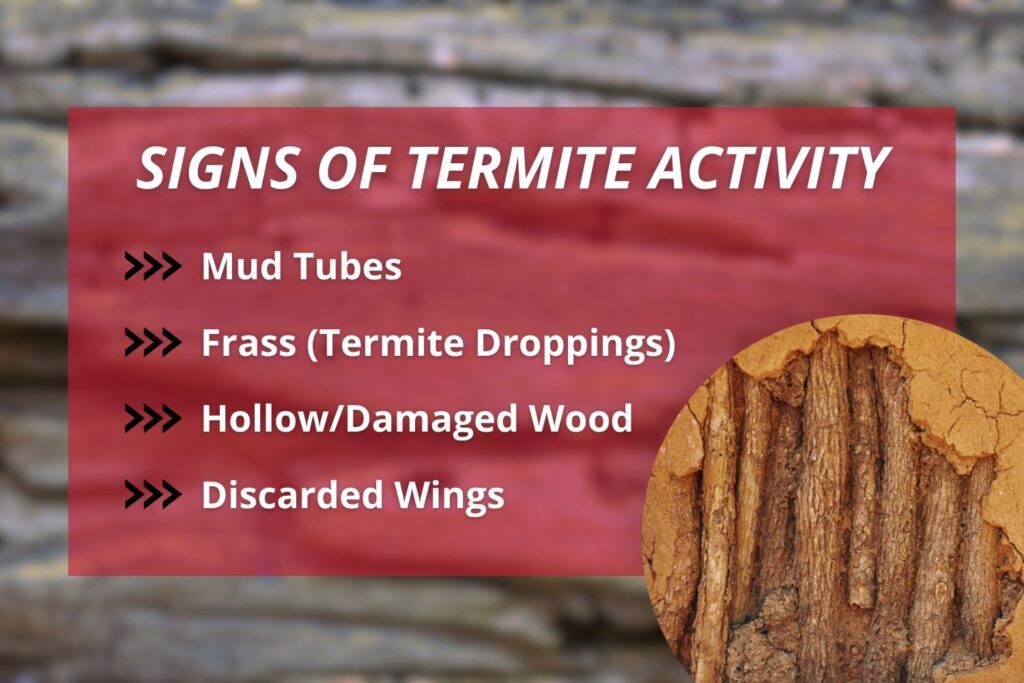
Mud Tubes
Subterranean termites, the most destructive type in the U.S. and responsible for an estimated $2–5 billion in damage annually, build pencil-thin mud tubes along a home’s foundation, walls, and structural supports. These tunnels connect underground colonies to the wood they’re feeding on and are one of the clearest signs of active infestation.
Termite Droppings (Frass)
Drywood termites live within the wood they consume and don’t require contact with soil, which makes them harder to spot. They leave behind frass, tiny droppings that resemble sawdust or coffee grounds, often near kick-out holes in wooden structures. These are easy to overlook near baseboards, windowsills, or door frames.
Hollow or Damaged Wood
Termites eat wood from the inside out, leaving a thin outer veneer that looks fine on the surface. Hollow-sounding wood often indicates structural damage beneath when tapped with a screwdriver. Inspectors probe suspect areas throughout the home, including floors, walls, and beams.
Discarded Wings (Swarmers)
When reproductive termites swarm to start new colonies, typically in spring, they shed their wings. Small piles of discarded wings near windows, doors, or light fixtures signal that a colony is established nearby.
Moisture and Conducive Conditions
Inspectors also flag conditions that attract termites: wood mulch or debris against the foundation, clogged gutters, poor crawl space ventilation, and plants growing too close to the home’s perimeter.
Dampwood termites, for example, thrive in moist or decaying wood and are common in areas with high humidity. These conditions aren’t always signs of current infestation, but they create the environment where pests take hold.
How a WDO Inspection Differs From a Home Inspection
Many buyers assume their general home inspection will catch termite activity. In most cases, it won’t, and that’s by design.
A general home inspection evaluates the overall condition of the home’s structure and systems. A WDO inspection is a separate, specialized service performed by a licensed termite inspector trained specifically to identify signs of termite infestation and wood damage that general inspectors aren’t certified to report on. In most states, a general home inspector cannot legally produce a WDO report.
HomeTeam’s One Call Does It All approach lets buyers arrange expert termite inspections alongside their general home inspection, eliminating the hassle of coordinating multiple vendors when inspection timelines are tight.
If Termites Are Found: What Happens Next
Finding termites during an inspection doesn’t mean the deal is done. It means you have information, and that’s a powerful place to be. Treatment options exist for every level of infestation, from targeted spot treatments to soil treatments designed to eliminate subterranean termite colonies.
The outcome depends on what’s found:
- Minor activity or past infestation: Many buyers negotiate with the seller to cover pest control and treatment costs or reduce the purchase price.
- Active infestation with significant damage: A contractor may need to assess what repairs are required. This can affect both the purchase price and the loan.
- Loan-required clearance: VA and some FHA loans require a clear WDO report or documented treatment before the loan can close. Getting inspected early leaves time to address this without waiting until it threatens your closing date.
In every scenario, knowing before closing keeps you in a stronger position than finding out after.
Termite Risk by Region
Termite pressure varies significantly by location. The Southeast, Gulf Coast states, and much of California carry the highest risk. Subterranean termites thrive in warm, humid climates, and Formosan termites, an aggressive species that builds large underground nests and causes damage quickly, are common in these regions.
In northern and higher-altitude states, the risk is lower but not absent. Drywood termites and other wood-destroying insects remain active in many northern markets and can cause significant damage to wooden structures over time.
| Region | Risk Level | Common Species |
| Southeast / Gulf Coast | Very High | Subterranean, Formosan |
| Pacific Coast / Southwest | High | Drywood, Subterranean |
| Mid-Atlantic / South | High | Subterranean |
| Midwest | Moderate | Subterranean |
| Pacific Northwest | Moderate | Subterranean |
| Northern / Mountain States | Lower | Subterranean carpenter ants |
HomeTeam has inspection teams across the country, from Florida and Texas to Michigan and Pennsylvania, so buyers can work with local inspectors who understand the specific pest threats in their area.
Related Questions
What other inspections should buyers schedule alongside a WDO inspection? Most buyers schedule a general home inspection at the same time. Depending on the property and loan type, radon testing, mold inspection, and a sewer scope may also be worth considering during the due diligence period. Bundling these saves time and gives a more complete picture of the home before closing.
Do sellers need a termite inspection too? A pre-listing inspection is a smart move for sellers. Knowing the condition of the home before buyers start asking questions helps prevent surprises during due diligence and gives sellers time to address issues on their own terms.
What is a four-point inspection, and is it different from a WDO inspection? Yes, they cover entirely different things. A four-point inspection evaluates four key home systems: roofing, electrical, plumbing, and HVAC. It’s typically required by insurance companies for older homes. A WDO inspection focuses solely on wood-destroying organisms. Both may be needed depending on the home’s age, location, and insurance requirements.
Can moisture problems attract termites? Yes, subterranean termites are especially drawn to damp conditions. Leaking pipes, clogged gutters, poor crawl space ventilation, and wood-to-soil contact at the foundation all create environments where termites establish a presence. Reducing moisture is one of the most effective long-term prevention strategies for homeowners.
Does a new construction home need a termite inspection? New construction isn’t automatically termite-free. Soil disturbance during construction, wood framing at ground level, and proximity to wooded areas can all create early risk. Having a new construction inspection performed before or shortly after move-in establishes a baseline and protects your investment from the start.
When to Call a Professional
If you’re buying a home, schedule a WDO inspection during your due diligence period while you still have room to act on what’s found.
If you’re a current homeowner, annual termite inspections are widely recommended, especially in high-risk regions. Don’t wait if you’ve noticed:
- Mud tubes along the foundation or interior walls
- Soft spots or sagging in wood floors
- Paint bubbling from the inside out
- Fine sawdust-like frass near baseboards or windowsills
- Discarded wings near windows or doors in spring
Sellers benefit too. A pre-listing inspection shows buyers where things stand upfront and keeps transactions moving toward the finish line.
Closing Thoughts
Buying a home is one of the biggest financial decisions most people make. Inspecting for termites before closing gives you the one thing that matters most in a transaction: clarity before you commit.
HomeTeam’s local inspection teams are available across the country. With One Call Does It All, you can schedule your comprehensive termite inspection alongside your home inspection, saving time and making sure nothing gets missed.